

ATIBA : HIS TAKE ON MODERN SKATE PHOTOGRAPHY
Modern skate photography has given us images that have become truly iconic. Andrew Reynolds’ frontside flip through a crowd, captured by Atiba Jefferson; Josh Kalis’ tre flip over a trash can, immortalized by Mike Blabac; and Bobby Puleo’s backside trick, frozen by Mike O’Meally with the Twin Towers looming behind, these are visuals etched into skateboarding’s collective memory.
Today, with the decline of print media — even as we continue to defend the format —, the rise of video, and the constant flow of content driven by social media, we wanted to hear Atiba’s thoughts on the current state of skate photography.
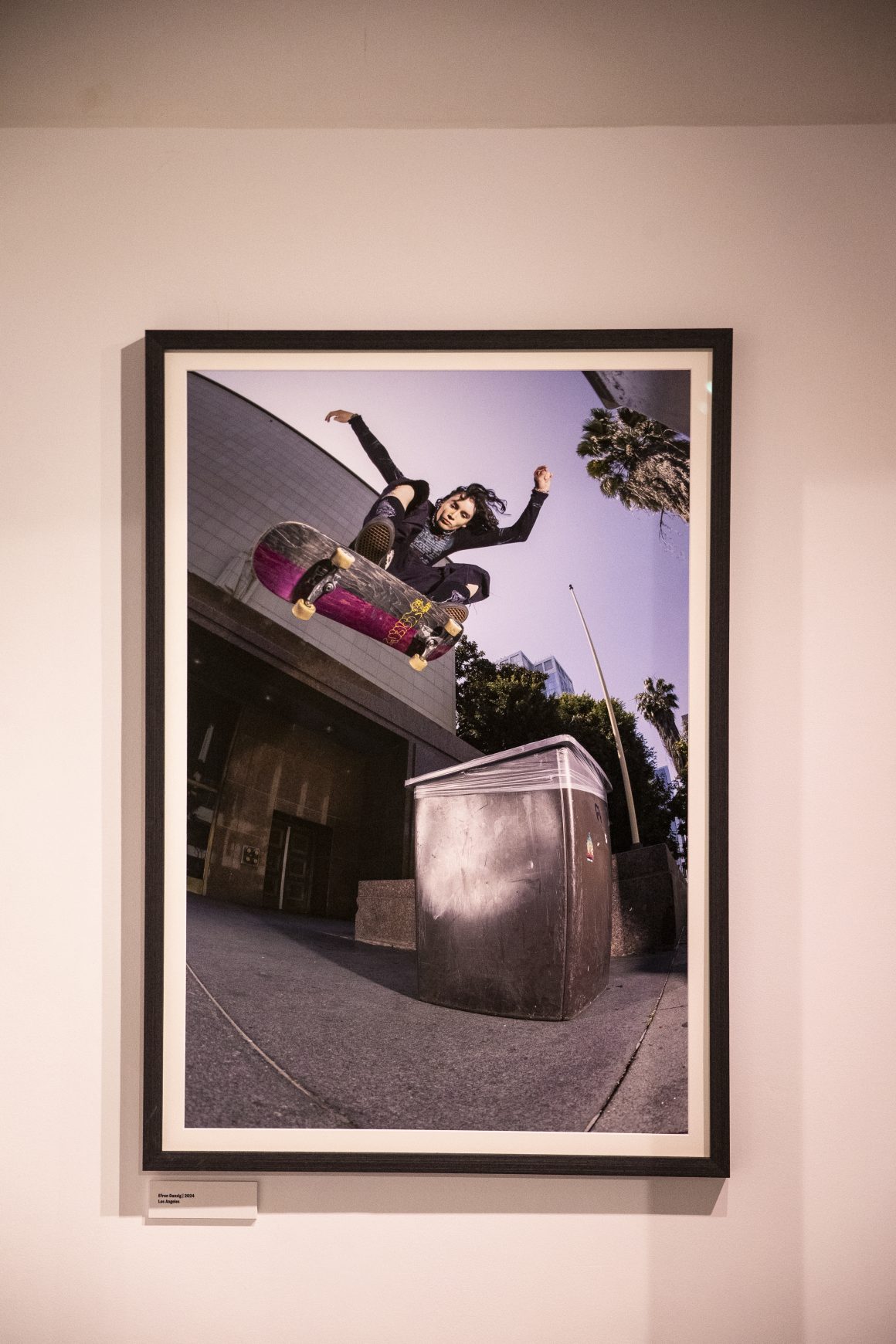
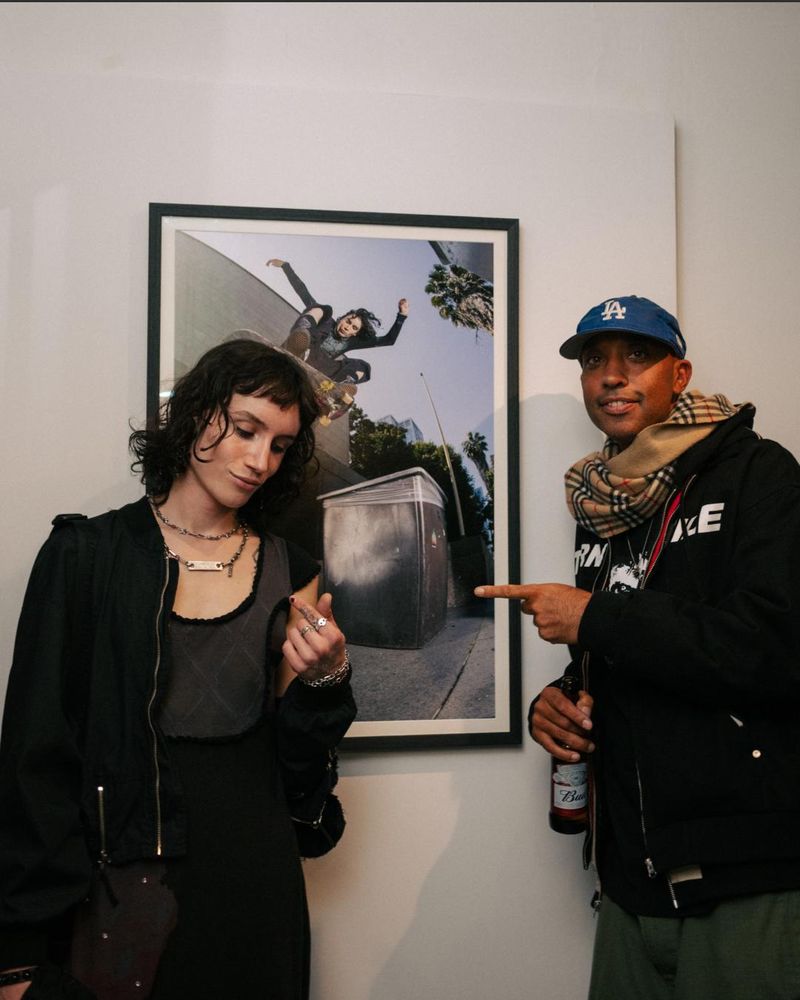
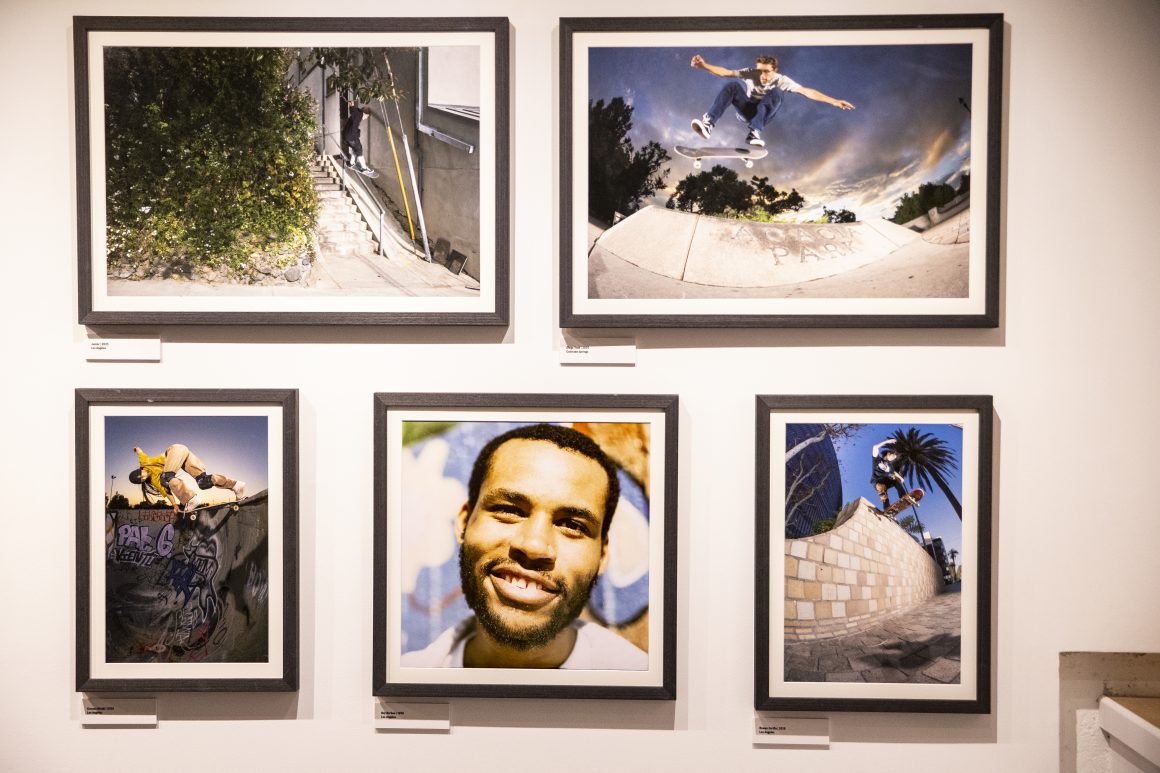
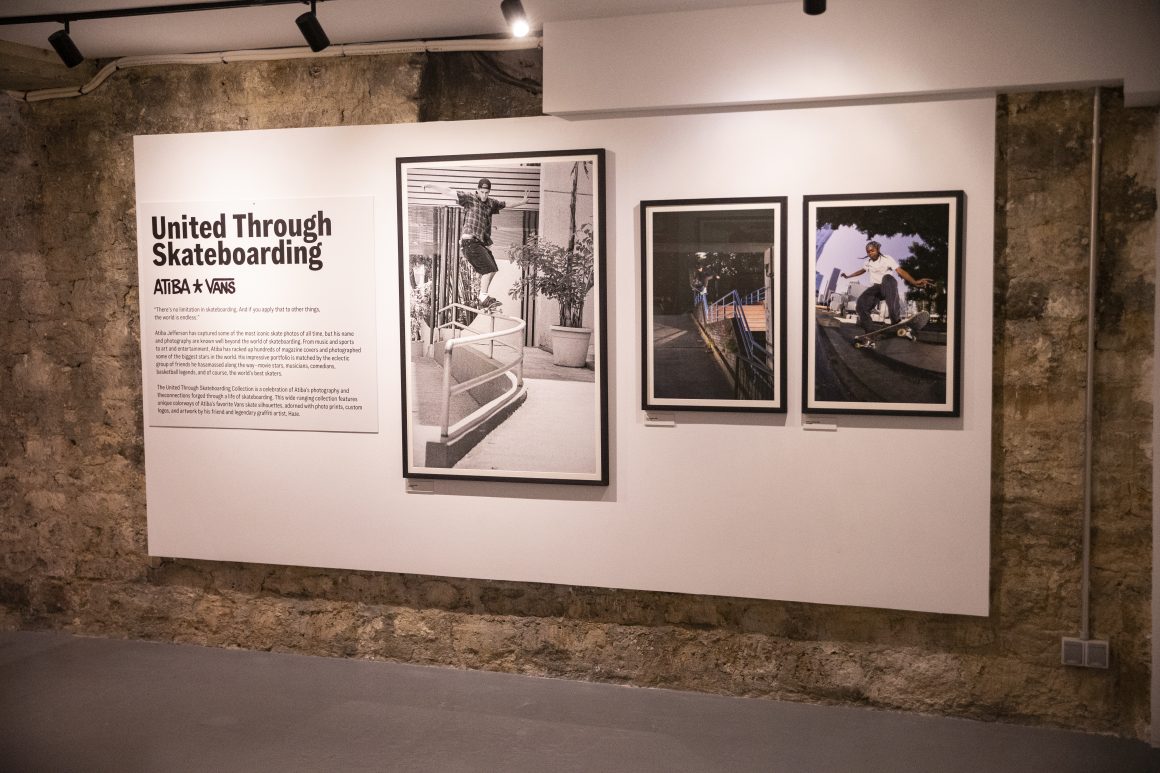
During an exhibition held at Arrow and Beast with the support of Vans, showcasing his work alongside the Atiba x Vans collection, we took a moment to sit down and talk with him.
You started out shooting on film. How did the transition to digital photography change the way you work?
What I love about photography is always trying to push myself and get better. I started with 35mm, then moved to medium format, and eventually to digital. To be honest, my first digital photos were terrible. The cameras just weren’t there yet, and that look feels really dated now.
But I’ve always loved seeing cameras and tools evolve. As a Canon ambassador, it’s even more exciting because I get to test cameras and lenses before they’re released. For me, switching to digital was just another step in my photographic evolution.
I never stopped shooting film, and people are always surprised to hear that. Digital is just so much easier because I know right away if I’ve got the shot. With skateboarding, you never really know until you see it. Digital allowed me to get exactly what I needed. I could immediately tell if the lighting wasn’t working.
And above all, the biggest thing is that the skater can see the photo instantly, which really motivates them. So digital isn’t just about convenience; it’s also about building a connection.
And it’s also much cheaper to shoot digitally. Dave Swift said in an interview that, at Transworld, they were spending $9,000 on film and around $15,000 per month on processing for all the photographers.
Yeah, it’s way cheaper than film. Back in the film days, I barely shot portraits or lifestyle photos because we had to save every frame for skate trips. I don’t have a lot of archives from that time, because every single shot mattered. You had to capture the trick. With digital, you can shoot freely. It’s amazing. But film is still incredible, too. I always carry my film cameras with me and use them all the time.
When was the last time you shot on film?
A lot of people don’t know this, but I did a Thrasher article with Supreme when we went to Miami, it was all shot on film. These days, people can’t even tell the difference unless you tell them.
Why did you decide to shoot film for that project?
It was actually the team manager’s idea. He wanted me to shoot medium format with a Hasselblad, and I thought that would be fun. I always have a film camera with me anyway.
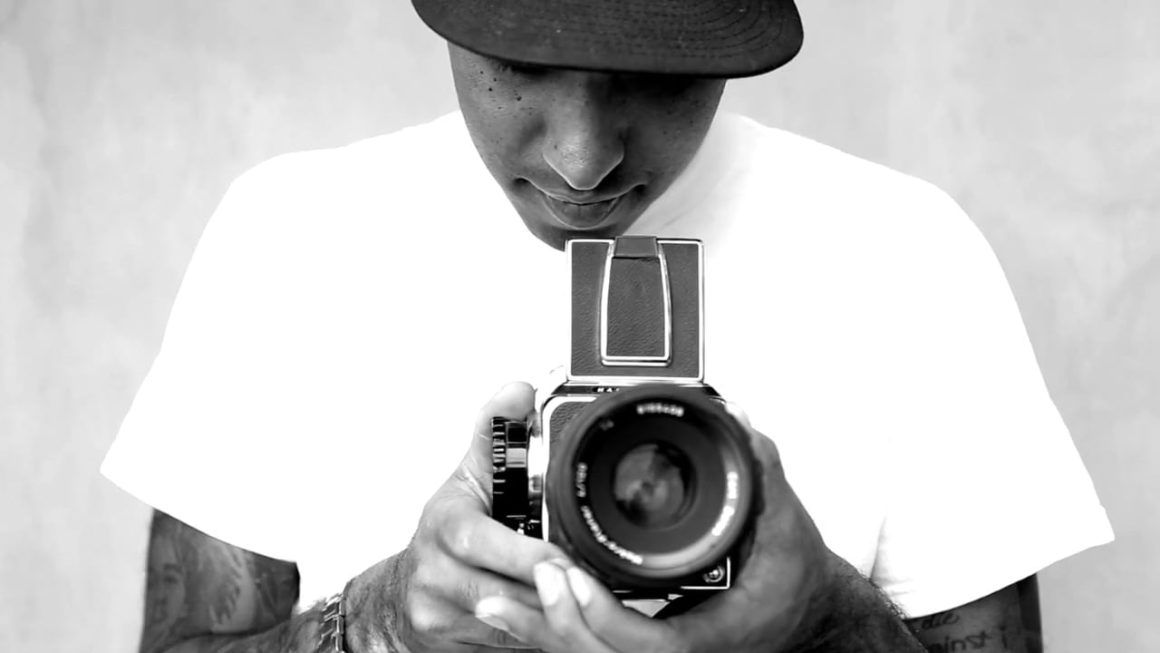
What inspired you to use a medium-format Hasselblad with a fisheye lens? That camera became a reference among skate photographers.
That idea came from when I was assisting Andy Bernstein, the Lakers’ team photographer. He used to shoot with a Hasselblad, and its leaf shutter is a lot faster than a 35mm. That got me thinking, if I’ve got a long lens, why not have a fisheye too? It was super expensive back then, but it really set me apart. I wasn’t the first to do it, but I was the first to own one and use it all the time.
Today, with the gradual disappearance of print magazines – even if we are a few to keep on pushing it- and social media being oversaturated with images, how would you describe the current state of skate photography?
It’s not like it used to be, but Thrasher is still the biggest magazine. Nothing will ever replace getting a cover. It’s always a special moment for the skaters.
But yeah, things have changed. There are fewer print magazines, and with social media, photos lose their value as soon as the video of the trick drops. A lot of people post the clip right away, and I’m like, “Man, I sent that to Thrasher.” So that part isn’t always ideal.
But at the same time, social media lets millions of people see a photo instantly. That’s amazing. You just have to learn how to make it work for you, instead of feeling like you’re working for it.
J. Grant Brittain said that with social media, there’s a lot of quantity but not much quality. Do you agree?
Yeah, even on my own page I post a lot, probably too much. But at the same time, I’m like, it’s fine.
What’s the last cover you shot that really got you excited?
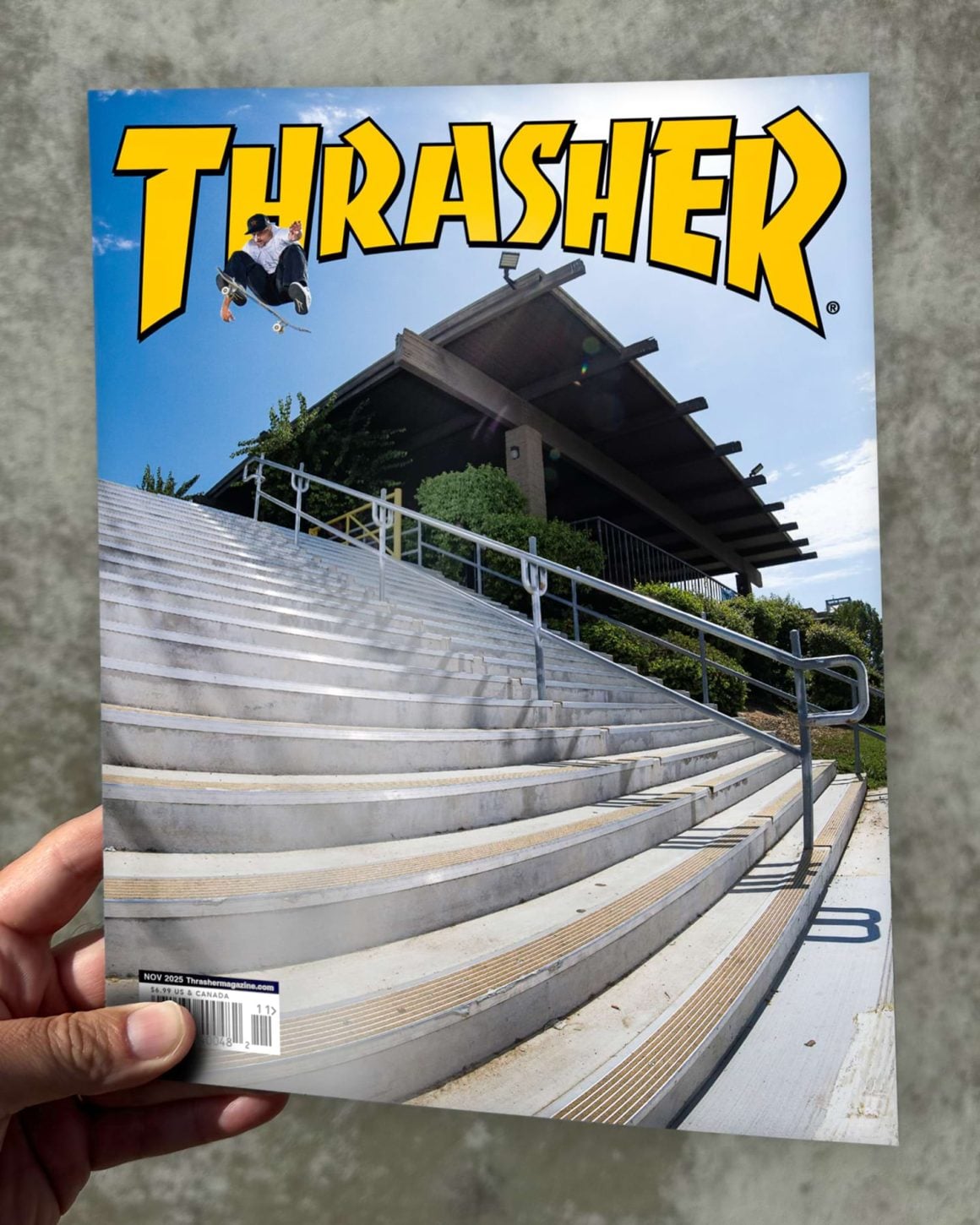
The new Thrasher cover with Chris Joslin, his tre flip at El Toro. It’s one of the craziest things I’ve ever seen. Mike Burnett asked me to shoot it with a fisheye, which I would’ve never done on my own.
After 30 years of shooting, you feel like you’ve done it all, but that photo reminded me there’s always something new to learn. It’s one of my favorite shots. The trick, the photo, the angle. I’m really proud of it.
How many tries did it take him to land the 360?
Five tries. And he landed the first one he actually put down.
Do you follow photographers outside of skateboarding?
One hundred percent. I get a lot of inspiration from other photographers. Tyler Mitchell and Shaniqwa Jarvis are two of my favorites. They’re both incredible fashion and portrait photographers. Ryan McGinley too, his work is beautiful.
I’m also inspired by new skate photographers. Jerry Hsu is one of my all-time favorites. That guy’s a genius at everything he does. People like him push me to step outside my comfort zone and challenge my own style.
Are there any other skate photographers you particularly admire?
I love Alex Pires. That guy’s unbelievable, such a great skate photographer. I could name a bunch, but he’s definitely one of them.
Do you think AI is a threat to photography, or just another creative tool?
I’m not stressing about AI. Honestly, Photoshop has had AI features for years. Of course, what we call AI today is a little different, but skateboarders will always celebrate what’s real and AI is fake stuff. So in skateboarding, it doesn’t really fit.
But for photography in general, especially product or e-commerce work, yeah, AI will definitely have an impact. We’d be fools to ignore it.
Outside of skate photography, you also do commercial work. Could AI affect that side of your job?
Yeah, maybe. In a way, I’m kind of glad I’m older and closer to retirement. AI is a little scary, for sure.
Which of your photos would you consider the most iconic?
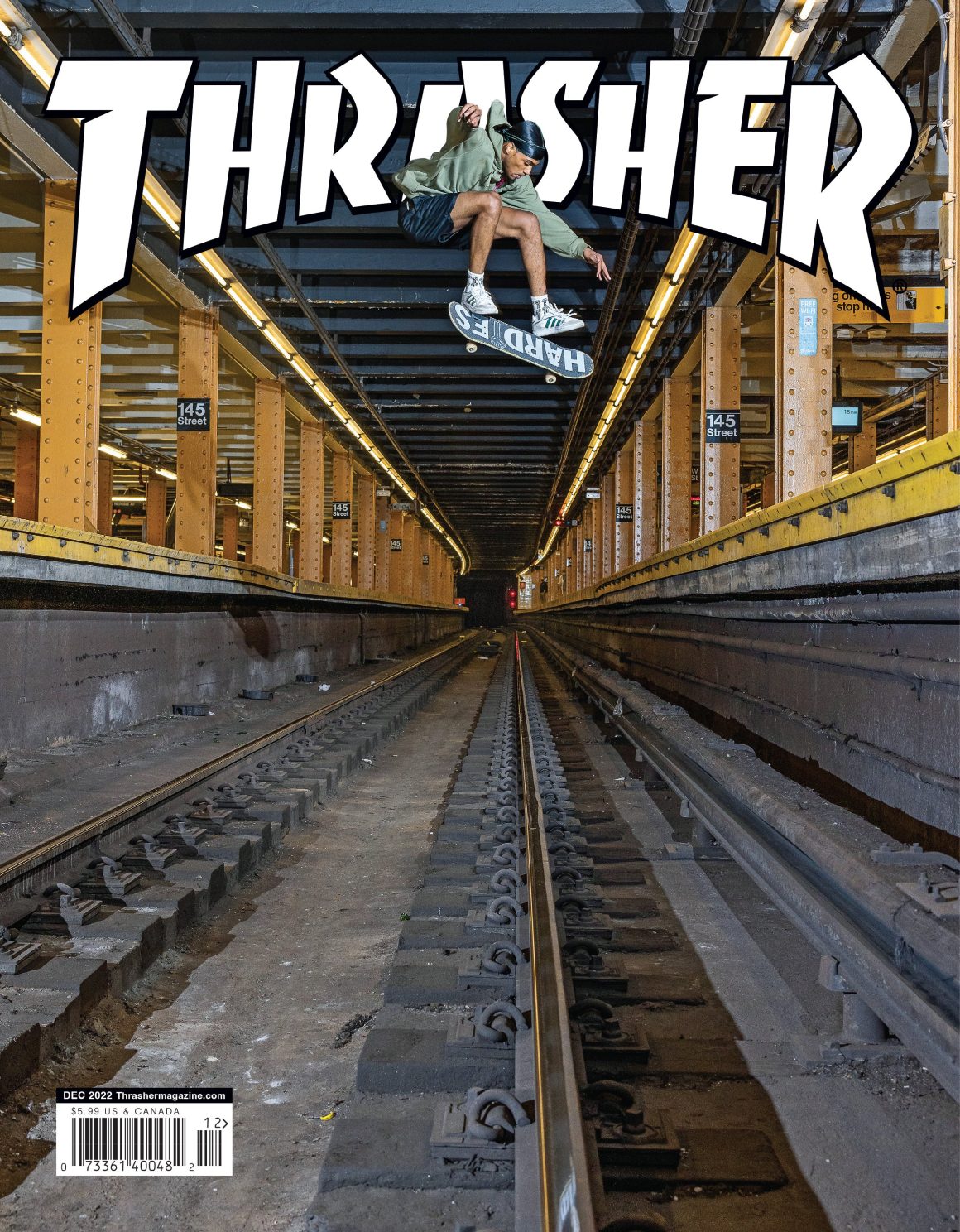
I wouldn’t really call them “iconic”. The tricks themselves are more iconic. Like Tyshawn’s kickflip over the train tracks, that’s a photo people will always remember. There are probably three or four shots that people associate with me, and that’s fine.
That kickflip, and Joslin’s tre flip, are historic moments. Same with Tony Hawk’s loop. Those moments only come around once in a while.
What about the ones printed on the insoles of your collaboration?
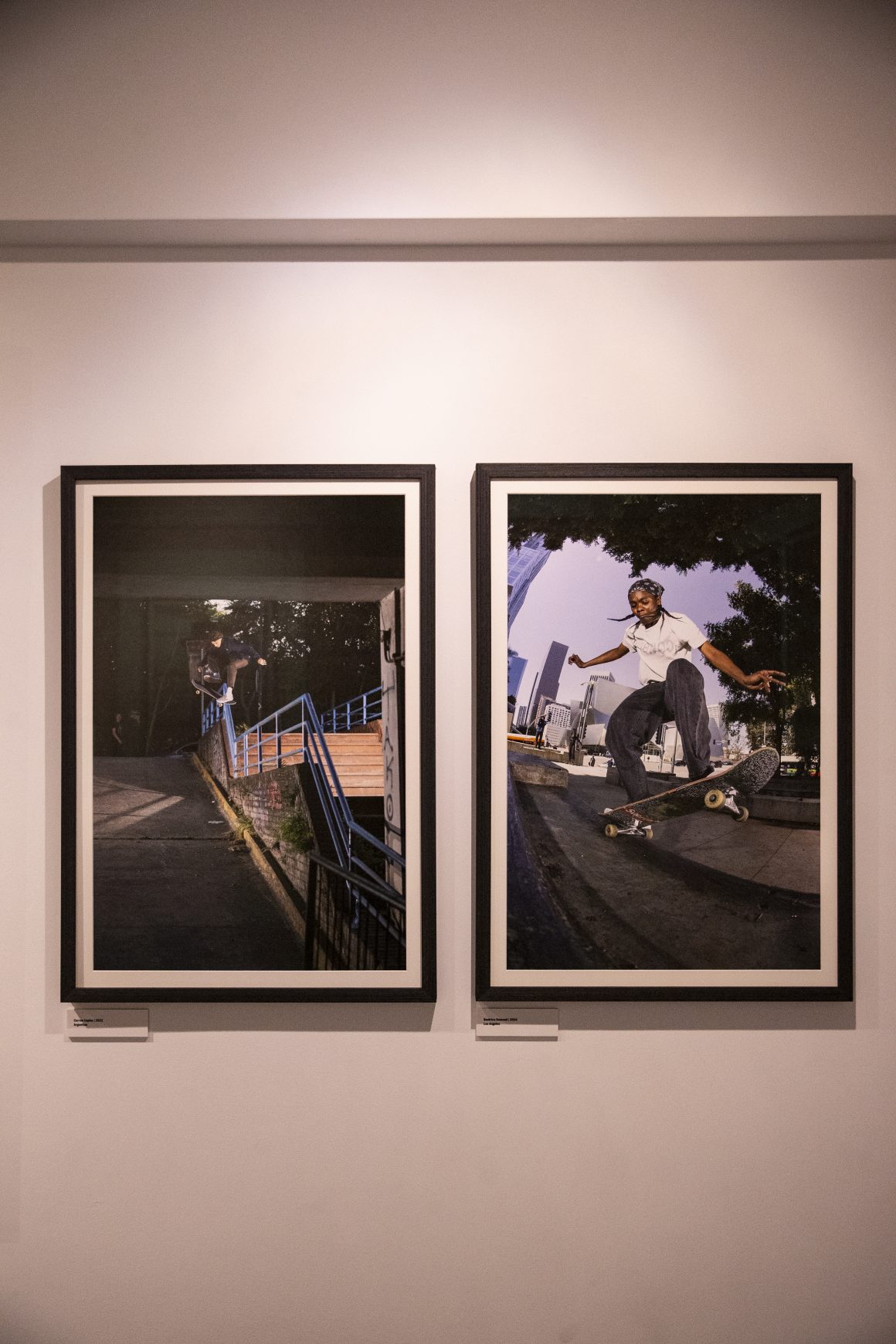
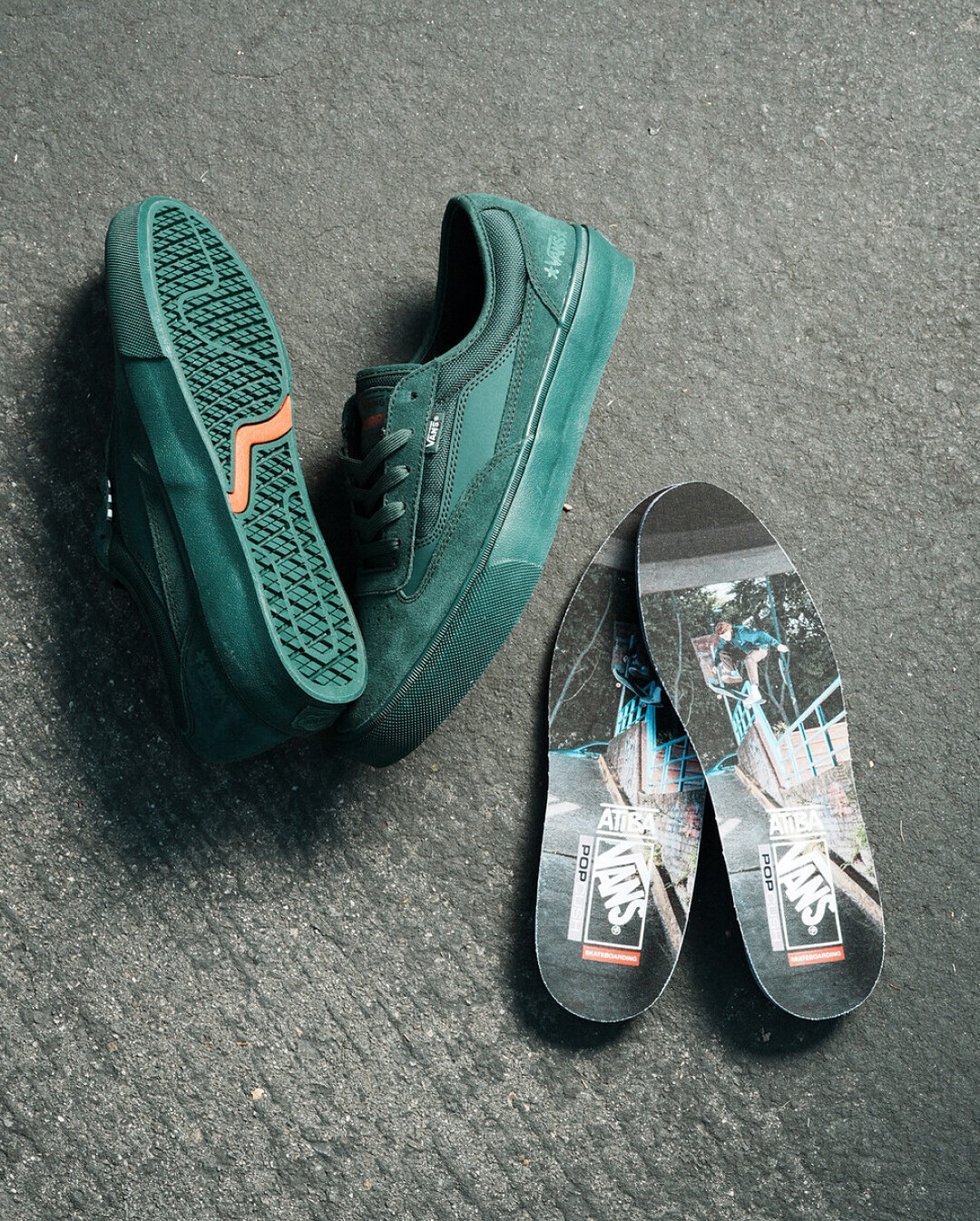
I wanted to mix it up, not make the same insole for every pair. Since Curren Capples has his own pro shoe and I had a colorway on that shoe, I wanted to feature something that made sense.
Why that tre flip and not another trick?
Honestly, it mostly came down to the layout. Some tricks just didn’t work visually, but that one fit perfectly on the insole. Plus, Curren said it was his favorite tre flip ever, so that made it even better.
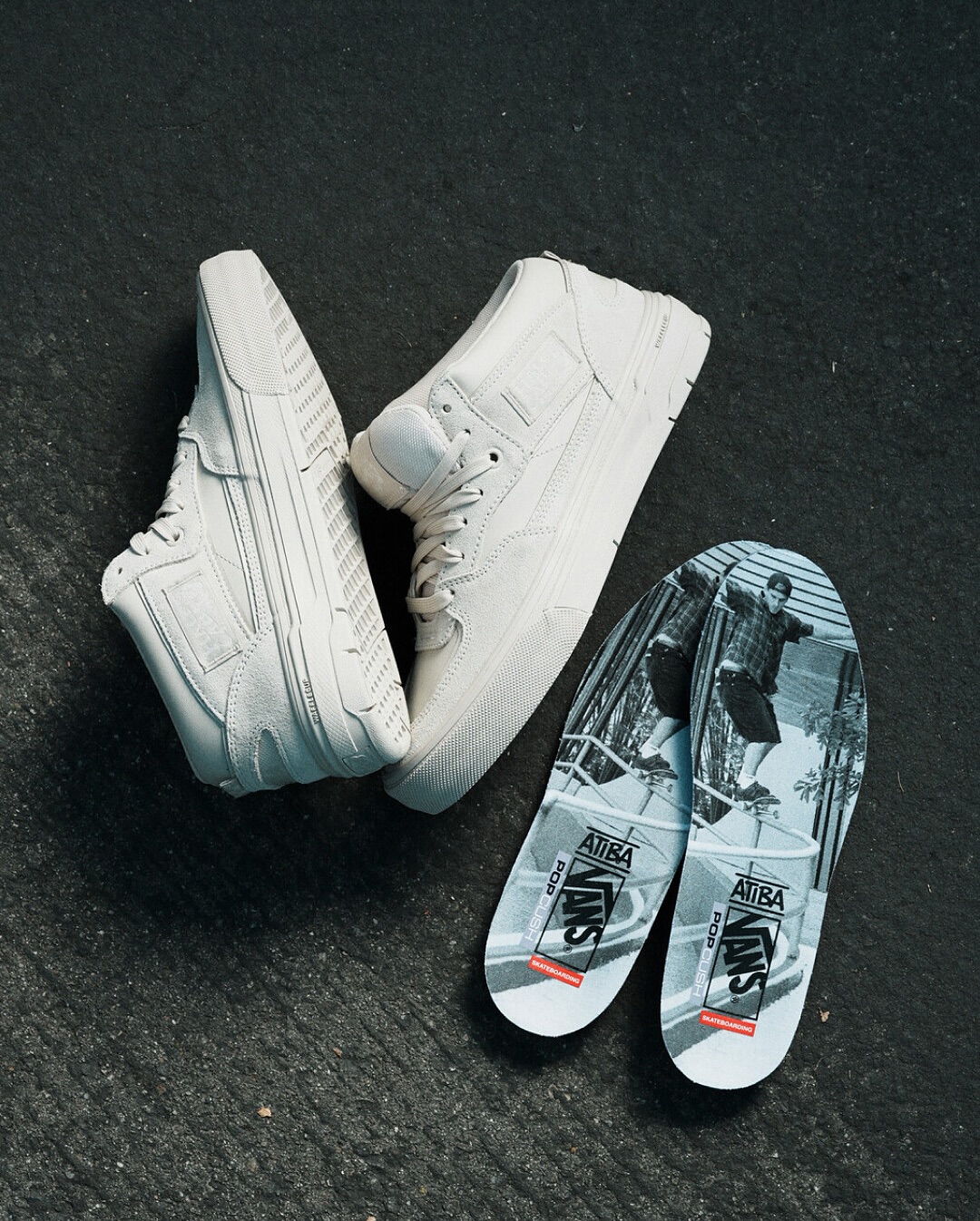
And the John Cardiel photo?
It’s just one of my favorite photos. I love John, and he was the first person I thought of when I wanted to celebrate someone through these images.
What’s next for you?
I hope to release a book next year, and continue skating and working with Vans.
The ATIBA x VANS photo exhibition will run until October 25, 2025.